Skip to content
Home/Stream conservation

STREAM CONSERVATION

Stream conservation

Care for this stream,
for the next owner too.

Helping people find land with a stream, and helping ensure that stream continues to be cared for: we want both to be part of Sawa Bank's work.

Starting with our own land, we plan to protect the streamside environment, record changes, and pass those records and care principles to the next owner. This page sets out our conservation principles and planned activities.

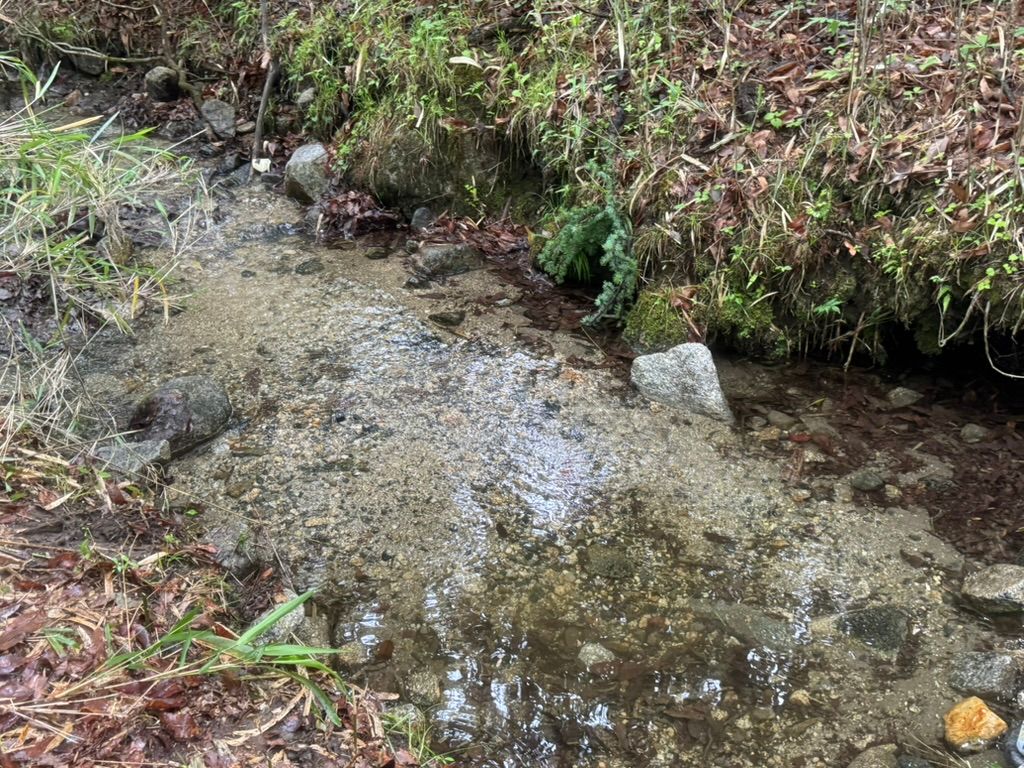
A clear stream photographed in Yanagisawa, Mukawa, Hokuto, Yamanashi, with pebbles visible on the bed
Yanagisawa, Mukawa, Hokuto, Yamanashi. A stream photographed on and around our own land.

OUR PRINCIPLES

Preserve. Keep clean. Keep observing.

Before making changes, we start by understanding the site's water and terrain.

01

Preserve streamside vegetation

Trees and undergrowth along a stream provide shade and habitat and help limit sediment entering the water. We plan to restrict mowing and tree cutting to necessary areas, such as paths and places in use, and mark vegetation retention areas on a map.

We will consider slope, vegetation and the area affected by rising water, rather than use one fixed buffer distance everywhere.

02

Keep wastewater and sediment out

We will check drainage from cooking, bathing and toilets, and sediment runoff from disturbed ground. Until a suitable treatment method is available, we will collect wastewater and human waste for appropriate disposal.

Being far from the stream or labelled biodegradable does not, by itself, make discharge acceptable.

03

Keep observing the same places

We will keep dated records of photographs, water temperature, flow conditions, recent rain, wildlife and changes to the banks. Days with no flowing water are also important observations.

One observation is not enough to determine year-round flow or the cause of a dry stream.

Reference on the role of vegetation: Forestry Agency: Assessment of the public-benefit functions of riparian forests (PDF, Japanese)

ON THE GROUND

What we plan to check on our own land

We plan to use the following checks on site, first confirming who manages the watercourse and what procedures are required before any work.

Conservation and use areas

Mark vegetation retention areas, areas for people to use, and paths down to the stream separately. Consider the habitat value of natural leaf litter and fallen trees before deciding how to handle them.

Wastewater and human waste

Provide ways to avoid washing in the stream or discharging untreated wastewater. Collect waste with portable toilets or similar equipment and follow local disposal rules. Distance alone is not a reason to recommend infiltration or burial.

Sediment, oil and litter

Keep ground disturbance small and address conditions that allow mud to wash out in rain. Refuel away from the water using a spill tray, and collect litter, ash and charcoal.

Water use and wildlife

Understand the purpose, timing and volume of water abstraction, and consult downstream users and managers. Avoid releasing organisms or changing the channel on your own initiative; prioritise the habitats of existing wildlife.

References: MLIT Chubu Regional Development Bureau: River-use FAQ (Japanese) / Yamanashi Prefecture: For those considering releasing char or trout (Japanese)

OBSERVATION

Record changes, with dates

We plan to choose safe observation points upstream, near areas in use, and downstream, and record them from the same viewpoints approximately once a month.

Stay away during high water and observe only after levels have fallen and it is safe. Water level and appearance alone will not be presented as precise discharge measurements; we will record them as flow conditions.

What to record

Date, time and weather
Observation date and time, recent rain, and the number of consecutive dry days
Flow conditions
Flowing / interrupted flow / pools only / no water
Photos, water temperature and turbidity
Use the same point and viewpoint, and note the measurement conditions
Wildlife and changes nearby
Wildlife seen, litter, bank erosion, works and other changes
Maintenance and consultations
Date, location, work carried out and matters checked with managers or others

PASS IT ON

Pass on the care of the stream with the land

We aim to bring photographs, history and management principles together, so the next owner can start by getting to know the stream.

A map of conservation and use areas

Map vegetation retention areas, areas in use, washing and toilet facilities, and observation points. Clearly mark any places where permitted use or management responsibility remains unverified.

Flow and maintenance history

Add dated records without deleting past entries. Distinguish estimates from terrain, information on official maps, and water conditions actually observed on site.

Sharing information to keep it going

Consider sharing information with neighbouring landowners and water users, consulting specialists, and securing the funds needed to continue.

NEXT STEPS

Next steps and the records we plan to share

This page describes our conservation principles and activity plans. It does not claim that the inspections, regular observations or handover materials below have already been completed. (Published 22 October 2026.)

  1. Document current conditions

    Use maps and photographs to document vegetation retention areas, drainage routes, sediment entry points and observation sites.

  2. Consult managers and specialists

    Discuss management responsibility and proposed work, and confirm the required procedures and maintenance priorities.

  3. Keep records through the seasons

    Keep observing the same places, adjust management in response to observations, and develop records that can be handed to the next owner.

We plan to build records that combine dates, locations, activities and verified findings, and describe our work through identifiable conservation stretches, improvements and observation points.

For management responsibilities and works in Hokuto City: Hokuto City: Occupation and use of river areas (Japanese)。 Before installing structures, excavating or starting similar work, confirm the location and details with the relevant authority.
CONTACT

Working with people who care about streams

Please share conservation information and your thoughts on recording and management methods.

Contact us about conservation

Contact: info@sawabank.jp

Explore our model site →
Sawa Bank on LINESpeak directly with our team Add friend