
Springs and land choices
Buying land with a natural spring in Japan: seven checks
A listing that mentions a spring needs more than a photograph of flowing water. Establish where the water emerges and what has actually been checked. Seeing water today is different from confirming an ongoing supply for your intended use. This checklist helps organise records before and during a viewing.
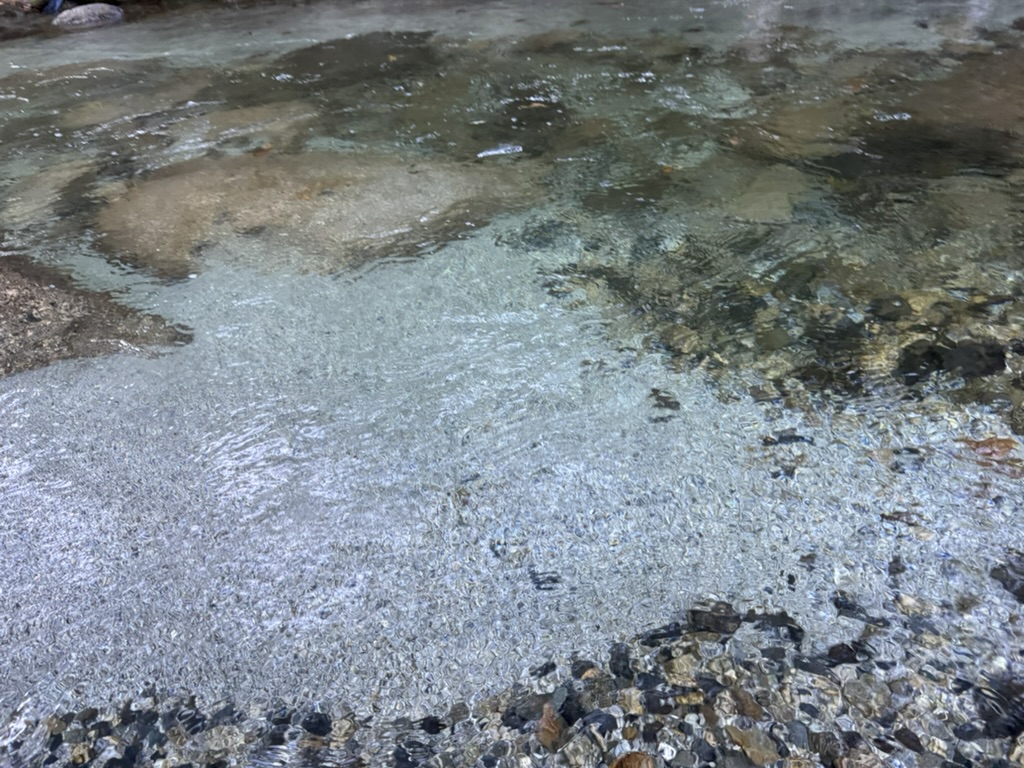
Locate what the listing calls a spring
Distinguish an outlet inside the parcel from water arriving from upstream or through a pipe from elsewhere. A blue line on a sales plan does not locate the source or establish that it lies within the boundary. Ask for a location plan and explanation.
The Ministry of the Environment’s spring survey includes springs that temporarily dry up in some seasons. The word “spring” therefore does not, by itself, establish a year-round supply.
Seven checks before buying
| Check | Information to request |
|---|---|
| 1. Outlet and boundary | Outlet location, parcel identifiers and boundary records. Where does the visible water actually originate? |
| 2. Basis of the description | Who checked what, where and when? Request dates and locations for photographs or video. |
| 3. Seasonal flow | Records including dry periods and winter. An unobserved season is not confirmed year-round flow. |
| 4. Testing and intended use | If test results exist, check sampling location, date and tested items. Clear appearance alone does not establish drinking-water suitability. |
| 5. Existing users | Upstream, downstream or shared users, their purposes and management arrangements. Do not assume a land purchase settles water-use terms. |
| 6. Equipment and care | Owners of pipes and tanks, cleaning and repair responsibilities, maintenance access and cost sharing. |
| 7. Drainage and surroundings | Where water leaves the site, overflow routes and information about surrounding works and land uses. |
Keep observations that can be compared later
Record the observation date, preceding weather, location, observer, water conditions and unresolved questions. Note a repeatable photo position and keep the outlet distinct from the downstream stream. If flow measurements exist, ask how they were taken.
One visit cannot establish year-round conditions. Request previous records and discuss a later check in another season if needed. Do not dig around the outlet, move stones or add pipes as an informal investigation.
Ask questions the listing contact can investigate
Separate answers into confirmed, awaiting records and requiring a site check. This makes comparisons with other properties more useful.
- Which parcel contains the outlet, and are records available showing its position and the boundary?
- Are there records from the lowest-flow season or information about previous drying?
- Does anyone currently use the water or share the equipment, and can the manager be consulted?
- For the intended use described in this enquiry, which water-use and equipment conditions remain unverified?
Include source protection in the decision
Japan’s Ministry of the Environment identifies land alteration and excessive groundwater pumping among pressures that can reduce or dry up springs. Consider the surrounding environment and future care as well as the flow visible today.
Check maintenance access, communication with existing users and ongoing costs before treating water use as a condition the property already satisfies. Sawa Bank organises information and is not a real estate brokerage. Confirm individual conditions with the listing contact and relevant authorities.